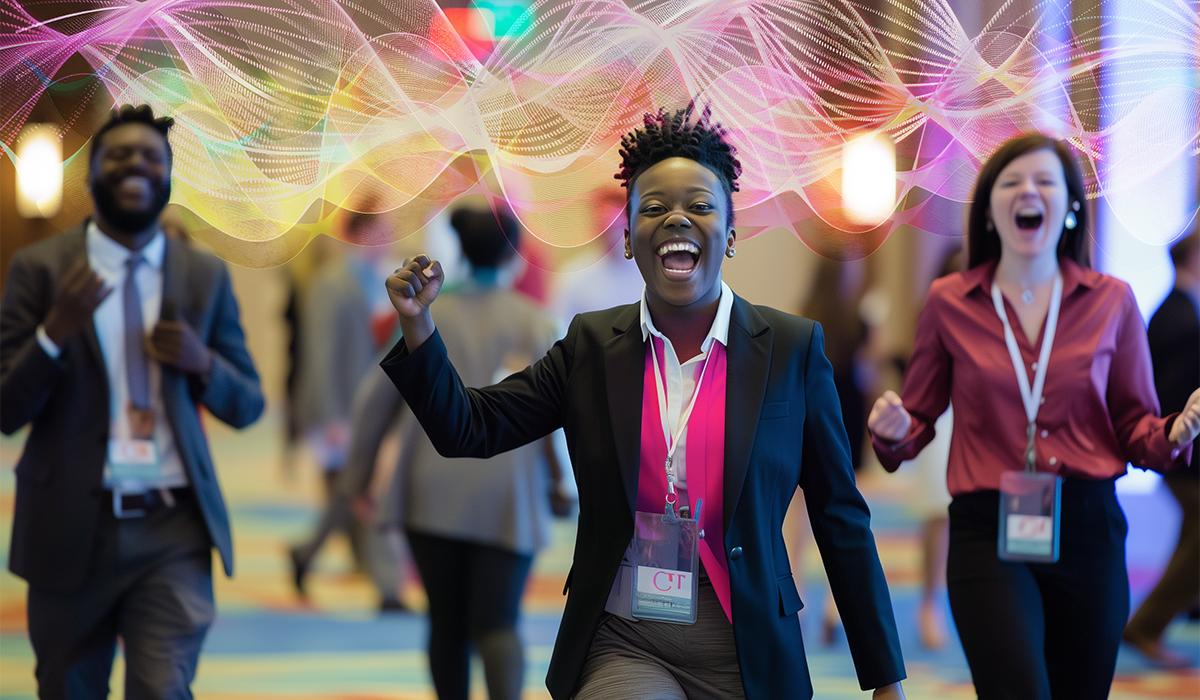
Ask an Event Expert: Secrets to Event Audio Success

Event planners know that the right technology can transform an experience — but nothing quietly influences the success of an event more than audio. Regardless of the size of the room you’re in, audio is the invisible thread that connects presenters and event participants with the message you want to deliver.

In this installment of Ask an Event Expert, our Encore team members share their perspectives on why audio deserves your attention, how to make smart event tech choices, and what planners can do to ensure every voice is heard.
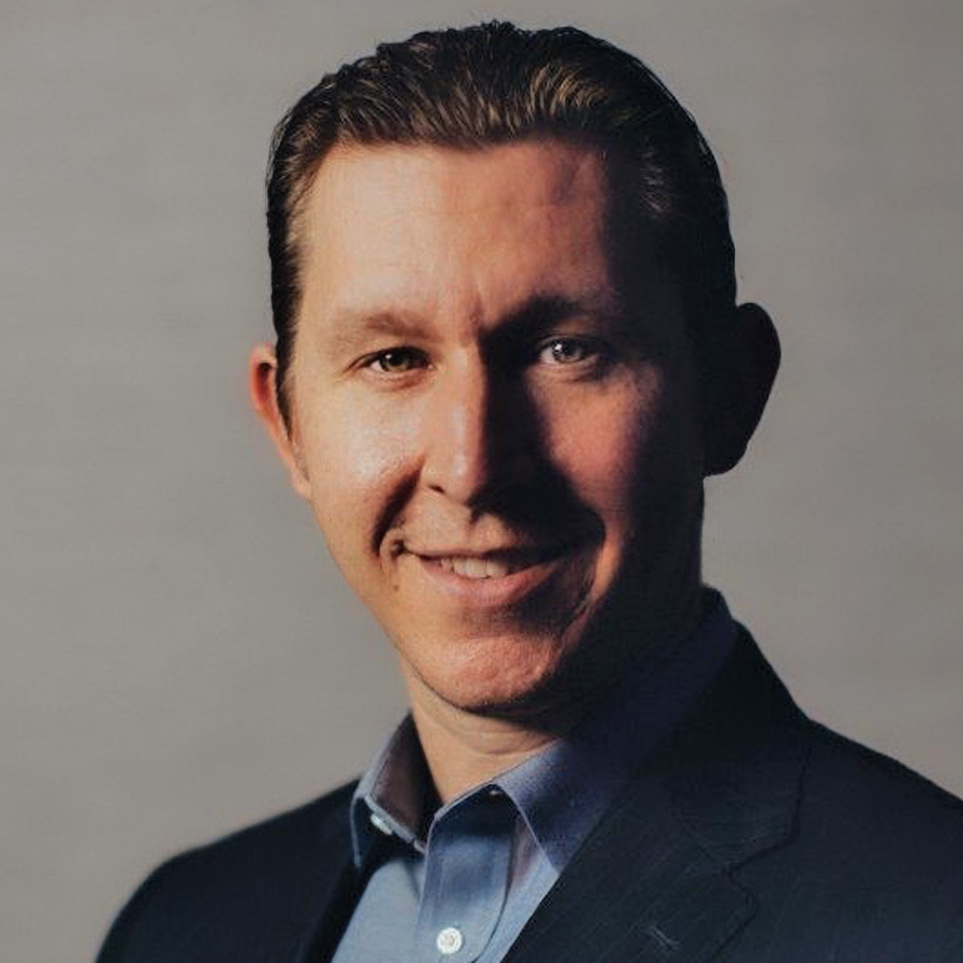

Meet the experts

Nick Greene
Nick Greene
Product Manager, Audio & Power
Helen Pickard
Helen Pickard
Show Producer

Why does audio matter so much to the success of an event?

Nick Greene, Product Manager, Audio & Power: Audio is a foundational element of every event. People might forgive imperfect visuals or lighting, but if they can’t hear what’s happening, the event loses its purpose. It’s not just about volume, it’s about clarity, engagement and making sure every participant feels included. When audio works, it’s invisible; when it doesn’t, everyone notices. If you want your event to succeed, start with sound.
Helen Pickard, Show Producer: Audio is the one thing nobody can ignore. If something goes wrong — like feedback or a mic cutting out — the audience reacts instantly. I’ve seen events where a single audio glitch derails the flow and shakes presenters’ confidence. That’s why it’s so important to plan for it and have the right support. For me, audio is about connecting people, whether it’s a small executive meeting or a massive customer conference.

What does it take to make presenters feel confident and supported on stage?

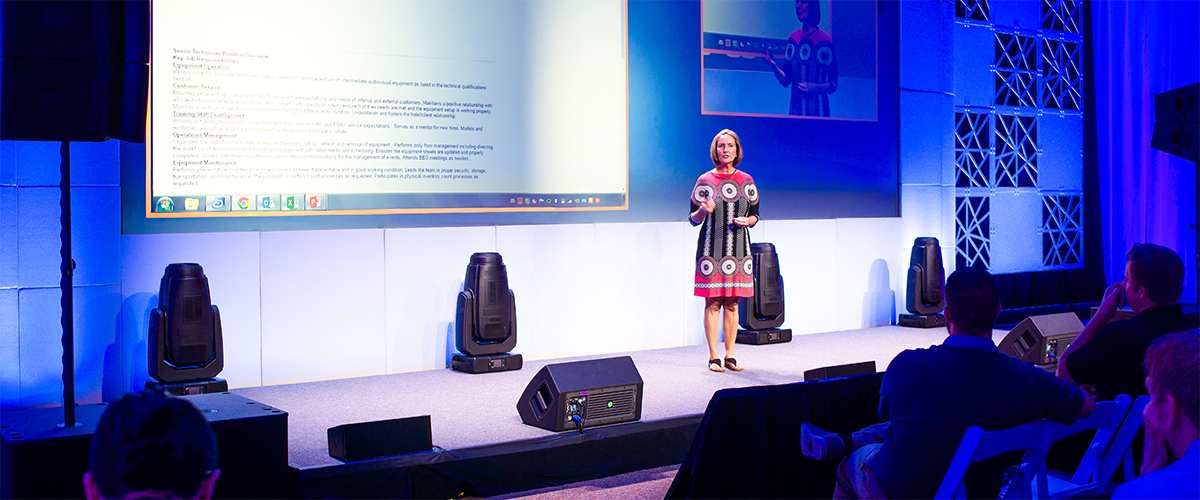
Nick: Presenters are the rock stars of every event, whether they’re educators, executives or keynote speakers. Their confidence depends on being able to hear themselves and the audience, just as much as the audience needs to hear them. Supporting presenters means thinking about their perspective: What technology helps them feel comfortable? What setup allows them to focus on their message instead of worrying about technical issues? When presenters are supported, they deliver stronger performances and connect more deeply with participants. I always encourage production teams to use foldback speakers (loud speakers)  so presenters can hear themselves and feel like they’re a part of the conversation.

Helen: Confidence on stage starts with reliable audio. If a microphone isn’t live when a presenter steps up, it can disrupt the flow. Ensuring presenters know what to expect, have access to the right equipment, and receive clear cues from the production team makes all the difference. I’ve seen presenters hesitate or lose their rhythm because they’re unsure if the mic is working. That’s why rehearsals and quick mic training are so valuable, even just a few minutes before going on stage can make presenters feel ready and relaxed.

What are the most common mistakes or overlooked details in audio planning?

Nick: One thing I see often is planners trying to cut costs by sharing microphones or mixing types on a panel. It might seem efficient, but it can create confusion and uneven sound. It’s better to have enough mics and stick to one type for each session. Another issue is speaker placement. Audio should be heard, not seen. Flying speakers or using column speakers can make a huge difference in both sound quality and aesthetics.

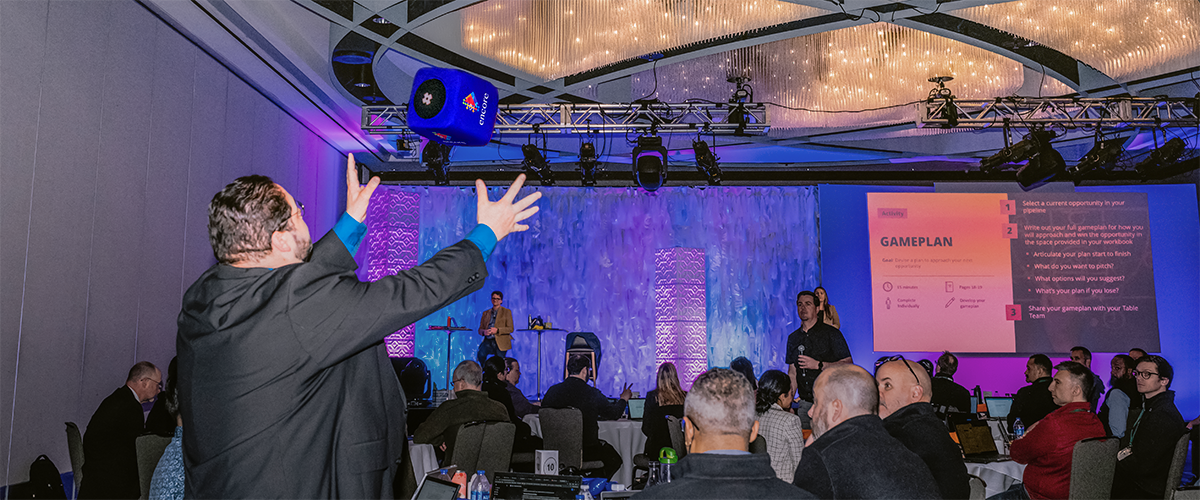
Helen: Consistency is key. Using the same type of microphone across a panel prevents confusion for panelists and ensures balanced sound. Another common issue is audience engagement during Q&A sessions. People often resist using microphones or forget to repeat questions, which can leave parts of the audience out of the conversation. Training presenters and emcees to encourage microphone use, and having enough mics available, helps everyone hear and participate.

How do you approach audio planning and technology choices for different event spaces?

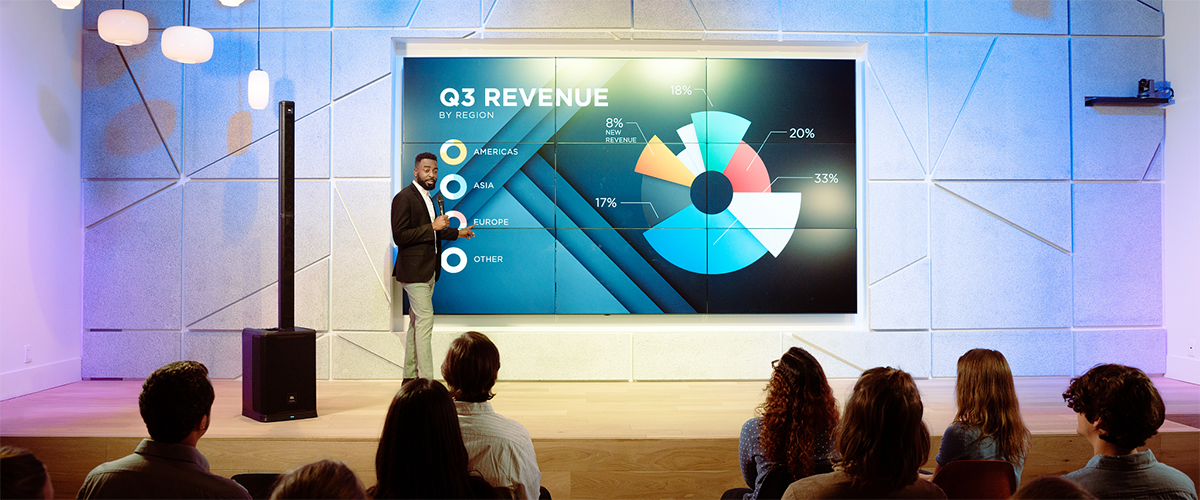
Nick: Audio design is all about creating an environment where sound is present and effective. In larger spaces, flying loudspeakers — hanging them from rigging or truss — above the audience helps distribute sound evenly and keeps the stage visually clean. Column speakers, which we’ve introduced across the U.S. as our new standard for small to medium spaces, offer acoustic advantages, providing wider coverage and even distribution of sound. The goal is to make hearing easy for both presenters and participants, regardless of room size or layout. We use array shading in our planning to make sure there’s consistent volume everywhere, so nobody gets blasted in the front row or left out in the back.

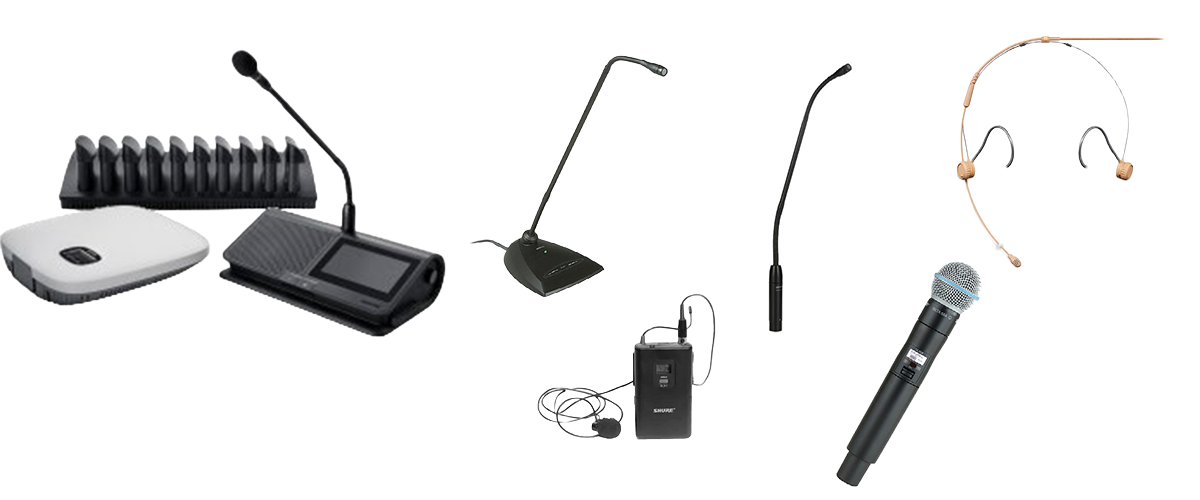
Helen: Planning starts with flexibility. I make sure we have a range of microphone options — lapels, headsets, handheld mics — so we can adapt to presenters’ needs and event flow. For customers who care about aesthetics, sleek solutions matter. I’ve found column speakers blend nicely into the environment and avoid the clutter of traditional audio setups. Meeting planners appreciate options that are both effective and visually unobtrusive, especially in venues with unique architectural features or luxury settings. Quick setup and minimal testing are also important, because planners want solutions that save time and look polished.

How does music contribute to the event experience, and what should planners know about licensing?

Nick: Music sets the tone: It can energize walk-ins and make transitions feel calmer. Silence can feel awkward — the atmosphere is completely different without music. With the right music, we can transform the energy and style of an event. Encore Music makes it easy for planners to create the kind of mood that fits the emotional journey of the participants.

Helen: Music licensing is often misunderstood. Even if a venue has rights to play background music, custom walk-up songs or streaming music require additional permissions. We help customers navigate these challenges by offering royalty-free options and clear guidance, so they can focus on the experience rather than legal concerns. Sometimes planners want specific songs for walk-ups, but unless they have the right license, we recommend Encore Music playlists and royalty-free stingers. It’s about finding solutions that work for the event and keeping everyone protected.

How do you tailor audio solutions for different types of events and audiences?

Nick: We support everything from small general sessions to multi-million dollar productions, and the key for each event is understanding the goals and the audience’s needs. For small to medium spaces, column speakers are a great starting point. They’re cost-effective, deliver clear, even sound and they look great, too. For bigger productions, we can add delay speakers or advanced mixing to ensure everyone at the back of the room gets the same experience. Our team works closely with planners to find the right balance between technology, aesthetics and value.

Helen: Every event is unique. For VIP and executive meetings, the focus is on clarity and intimacy. It’s important to make sure every voice is heard without overwhelming the space. For larger customer conferences, it’s about coverage and engagement, so we adapt the setup to fit the purpose and scale. Sometimes that means flying speakers, other times it’s about using column speakers or handheld mics for flexibility.

What advice would you give to planners about creating an inclusive audio experience?

Nick: Think about both the audience and the presenters. What do they need to feel comfortable and engaged? Plan for flexibility, have backup solutions ready, and don’t be afraid to ask for expert advice.

Helen: Make sure you have enough microphones so presenters aren’t rushed and audiences can participate. Encourage everyone to use the mic during Q&A — sometimes people are shy or think they don’t need it, but it really makes a huge difference. Train hosts and emcees to remind the audience about mic use. It’s all about making sure every voice is heard and nobody feels left out.

Key takeaways for event planners:

  • Prioritize audio: It’s one of the most critical elements for engagement and clarity — don’t let it be an afterthought.
  • Plan for flexibility: Have a range of microphone options and be ready to adapt to different event schedules.
  • Aesthetics matter: Choose solutions that visually blend into the environment and save setup.
  • Engage the audience: Encourage participant mic use during Q&A and make sure everyone can participate.
  • Understand music licensing: Use licensed or royalty-free music to set the mood and avoid legal risks.
  • Tailor solutions: Match audio setups to the event’s purpose, audience and budget.
  • Partner with experts: Lean on your production partner for guidance and creative solutions.

What Our Experts Say

Audio is the heartbeat of every event, and it’s the difference between an event that’s remembered — and one that isn’t. When sound is clear and accessible, every idea has the opportunity to land, every presenter the chance to shine, and all participants feel included in the moment.

Ready to get started?

Explore display solutions that set your event apart!